
Juanita Sherrod and Richie Jean Jackson in the Jackson Home Kitchen, Selma, Alabama, circa 1959
THF708492 / Juanita Sherrod and Richie Jean Jackson in the Jackson Home Kitchen, Selma, Alabama, circa 1959
01
Artifact Overview
Artifact Details
Artifact
Photographic print
Subject Date
circa 1959
Location
Not on exhibit to the public.
Object ID
2023.50.0.28.3
Credit
From the Collections of The Henry Ford.
Material
Paper (Fiber product)
Technique
Gelatin silver process
Color
Black-and-white (Colors)
Dimensions
Height: 3.625 in
Width: 3.625 in
Keywords |
|---|
02
Related Artifacts
 Artifact
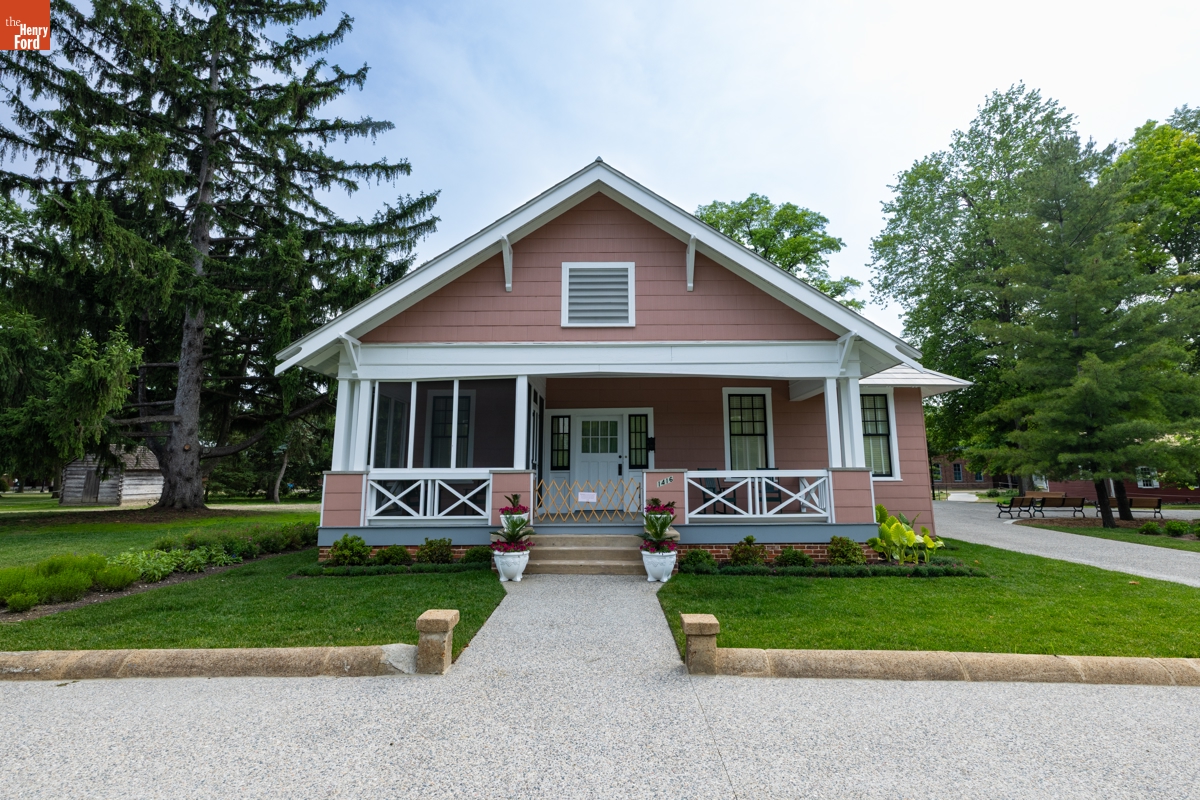
Dr. Sullivan & Mrs. Richie Jean Sherrod Jackson Home
The home of Dr. Sullivan and Richie Jean Jackson, originally located in Selma, Alabama, is a Civil Rights Movement landmark. The home served as a refuge where Dr. Martin Luther King, Jr. and other leaders worked, collaborated, strategized, and planned the 1965 Selma-to-Montgomery marches. These marches led to the signing of the Voting Rights Act on August 6, 1965.
03
Related Content
 Set
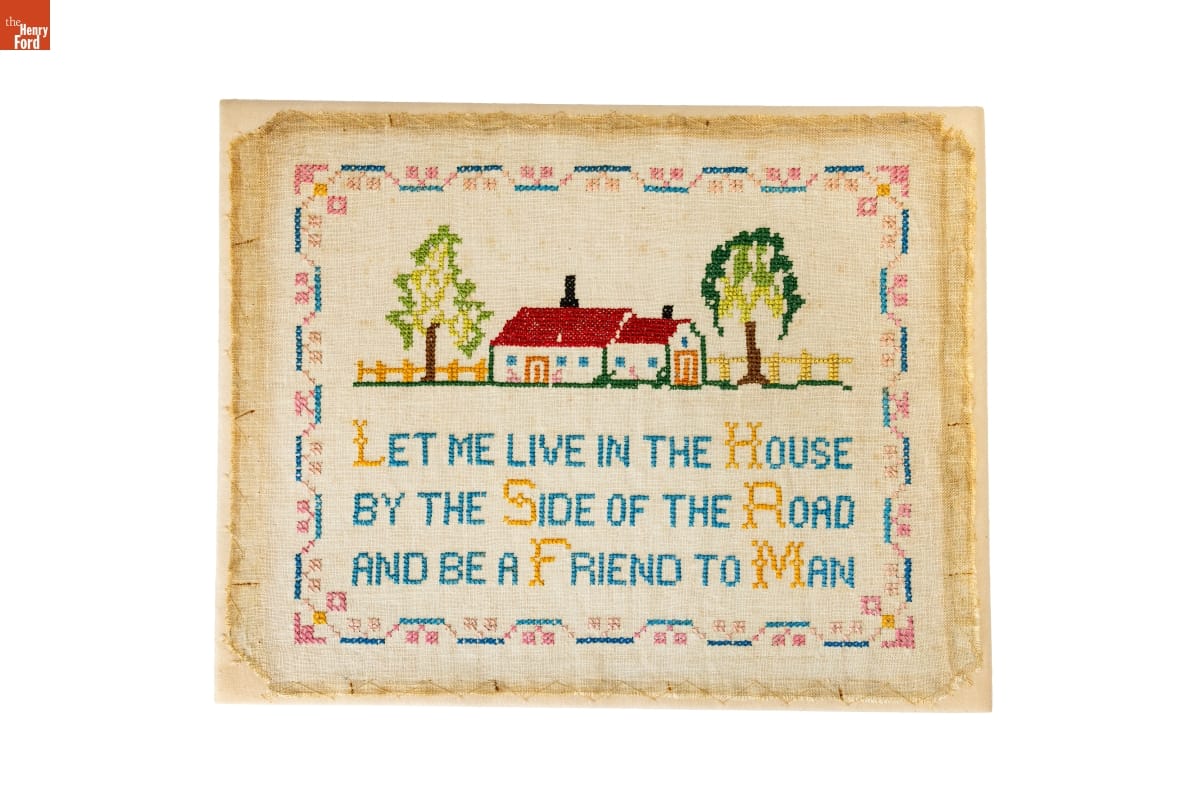
SetHospitality in the Jackson Home
- 9 Artifacts
The Jackson Home was known as “The House by the Side of the Road” for the way it welcomed everyone who came by. It was this welcoming spirit that would place the home at the center of history, as the struggle for Civil Rights came to Selma in 1965.-600x600%2F597-sullivan.png%3Fsfvrsn%3D795bbff1_1&w=3840&q=75) article
articleThe Many Journeys of The House by the Side of the Road
In 2026, the Jackson Home from Selma, Alabama will open, becoming the first home to be added to this collection of historic structures in over forty years. The home comes to us with the inspiring story of a courageous family and community at the forefront of one of the most crucial moments of the civil rights movement in America.