
Search
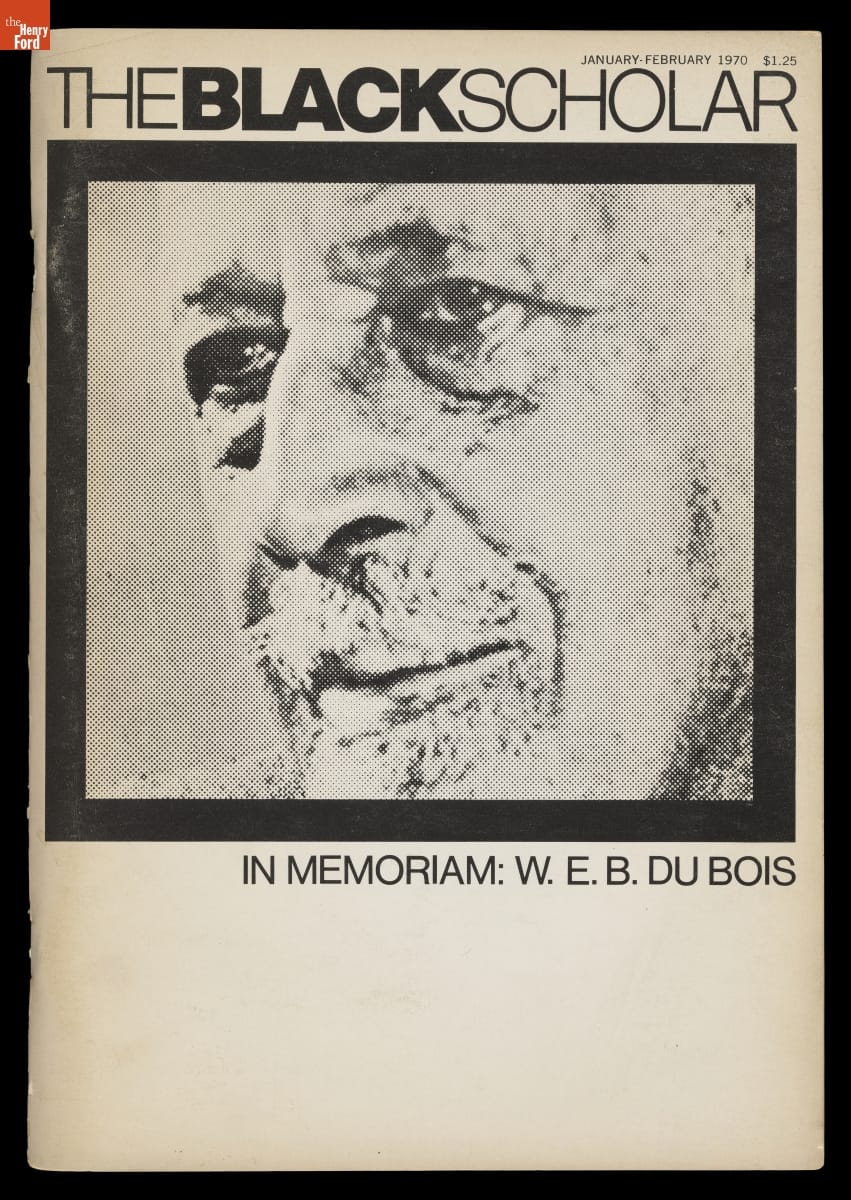
- "The Black Scholar," January-February 1970 Issue, "In Memoriam: W.E.B. Du Bois" - In 1969, in the wake of a growing interest in Black American history and culture, Robert Christman and Nathan Hare -- former professors from San Francisco State College -- started <i>The Black Scholar</i>. It was the first scholastic journal that focused on Black, Africana, and Diaspora studies. <i>The Black Scholar</i> has published papers and other works by famous academics, political thinkers, and authors.
- January 1970-February 1970
- Collections - Artifact
"The Black Scholar," January-February 1970 Issue, "In Memoriam: W.E.B. Du Bois"
In 1969, in the wake of a growing interest in Black American history and culture, Robert Christman and Nathan Hare -- former professors from San Francisco State College -- started The Black Scholar. It was the first scholastic journal that focused on Black, Africana, and Diaspora studies. The Black Scholar has published papers and other works by famous academics, political thinkers, and authors.
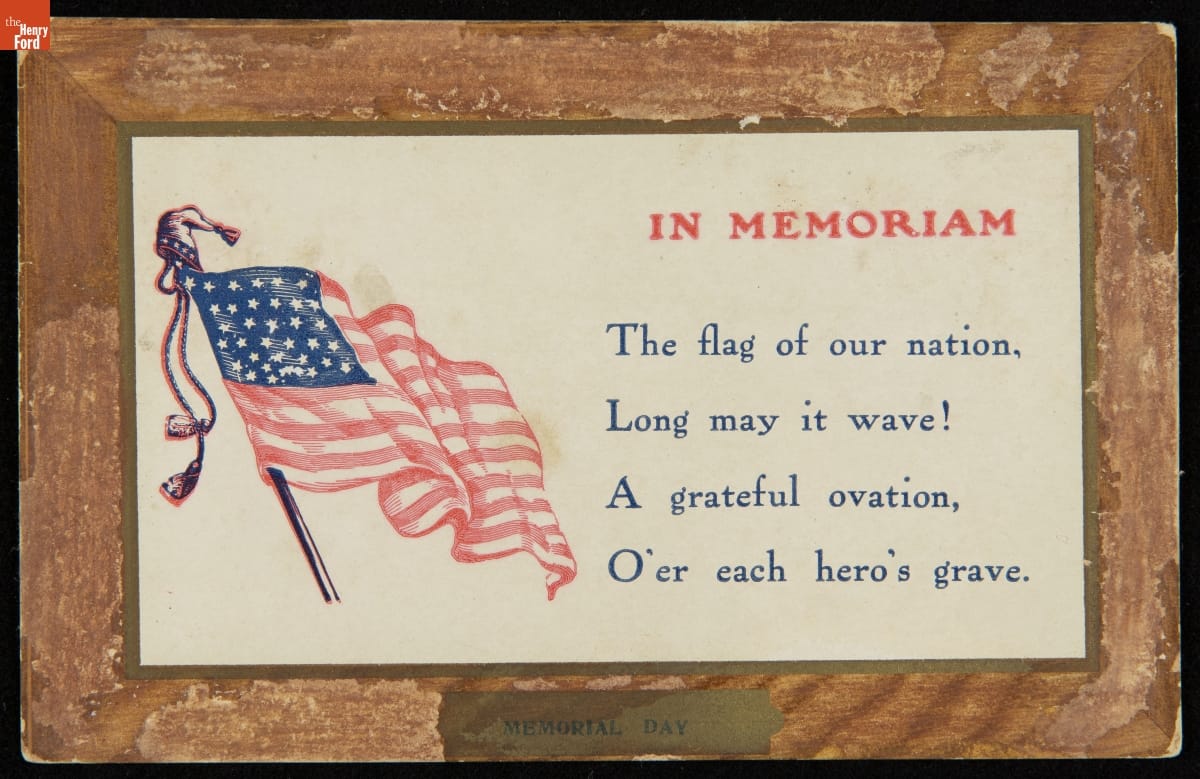
- "In Memoriam, The flag of our nation, Long may it wave! A grateful ovation, O'er each hero's grave." circa 1906 - Beginning in 1868, May 30 was proclaimed "Decoration Day" as a day for mourners to honor the Civil War dead by decorating their graves with flowers. After World War I, the observance became better known as Memorial Day, and it broadened to honor the dead of all America's wars. Memorial Day was declared a national holiday in 1971.
- circa 1906
- Collections - Artifact
"In Memoriam, The flag of our nation, Long may it wave! A grateful ovation, O'er each hero's grave." circa 1906
Beginning in 1868, May 30 was proclaimed "Decoration Day" as a day for mourners to honor the Civil War dead by decorating their graves with flowers. After World War I, the observance became better known as Memorial Day, and it broadened to honor the dead of all America's wars. Memorial Day was declared a national holiday in 1971.
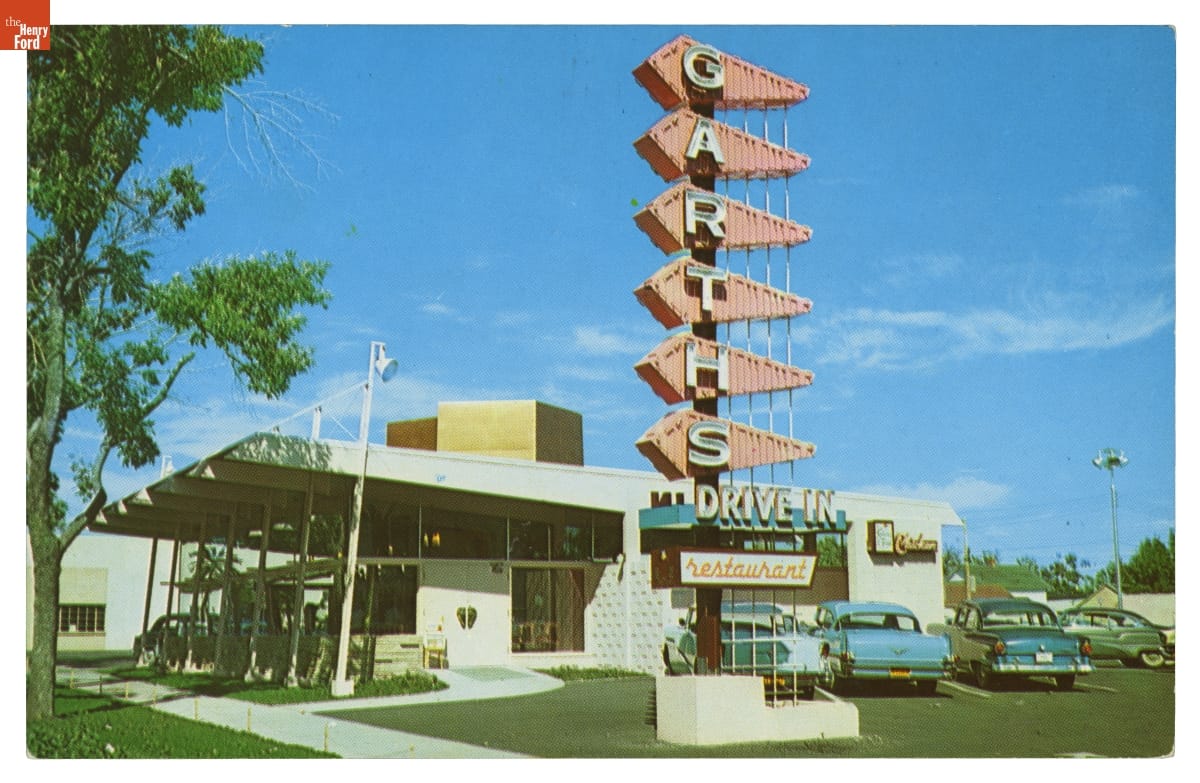
- View of Garth's Drive-In Restaurant, Colorado Springs, Colorado, circa 1958 - This circa 1958 postcard depicts Garth's Drive-In Restaurant, located in Colorado Springs, Colorado. Self-described as "One of the West's more beautiful Drive-In Restaurants," it was known for its Pizzaburger and had curb service space for 97 cars.
- circa 1958
- Collections - Artifact
View of Garth's Drive-In Restaurant, Colorado Springs, Colorado, circa 1958
This circa 1958 postcard depicts Garth's Drive-In Restaurant, located in Colorado Springs, Colorado. Self-described as "One of the West's more beautiful Drive-In Restaurants," it was known for its Pizzaburger and had curb service space for 97 cars.
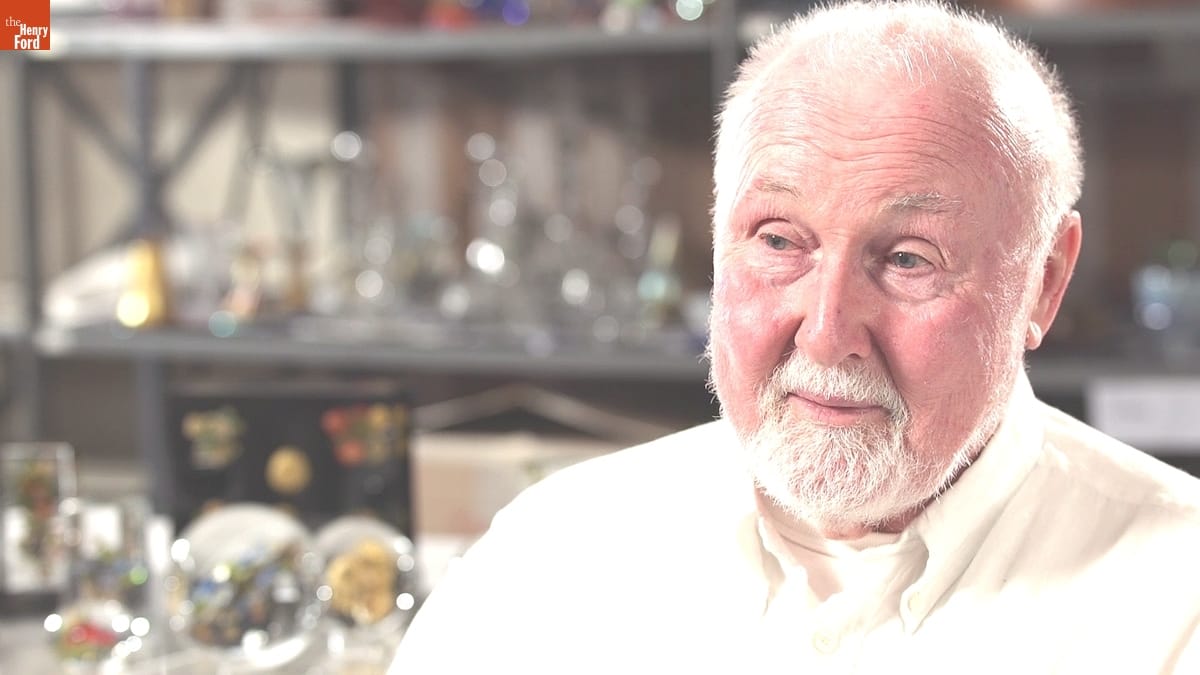
- "Mistakes & Creativity," Clip from Oral History Interview with Paul Stankard, May 20, 2016 - Paul Stankard is one of the founders of the Studio Glass movement of the 1960s and 70s. Most early Studio Glass artists began their careers creating paperweights and moved on to other forms. Stankard concentrated on creating the most technically sophisticated and beautiful paperweights he could imagine. Stankard is acclaimed for his miniature botanical worlds. Staff from The Henry Ford interviewed the artist in 2016.
- May 20, 2016
- Collections - Artifact
"Mistakes & Creativity," Clip from Oral History Interview with Paul Stankard, May 20, 2016
Paul Stankard is one of the founders of the Studio Glass movement of the 1960s and 70s. Most early Studio Glass artists began their careers creating paperweights and moved on to other forms. Stankard concentrated on creating the most technically sophisticated and beautiful paperweights he could imagine. Stankard is acclaimed for his miniature botanical worlds. Staff from The Henry Ford interviewed the artist in 2016.
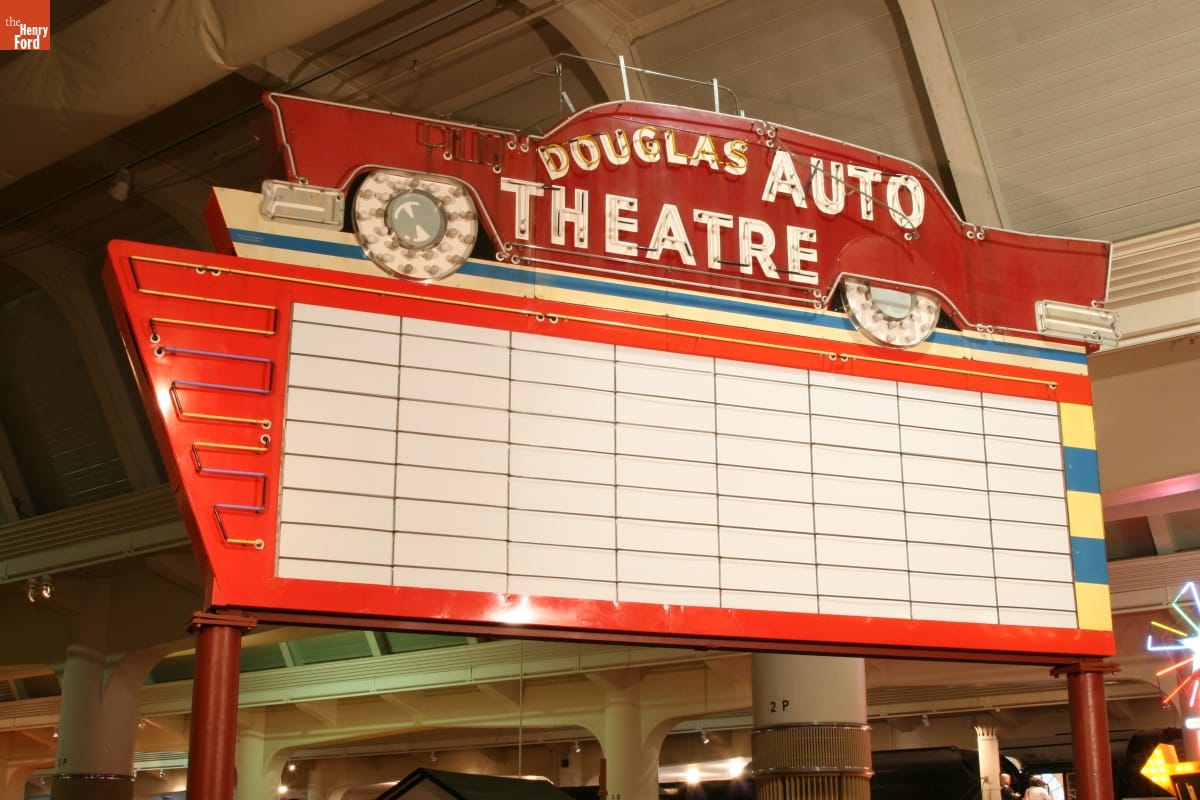
- Douglas Auto Theatre Sign, circa 1955 - The first "auto movie theatre" opened in Camden, New Jersey, in 1933, but it took time to perfect the new technology. In the 1950s, a new market of families and teenagers embraced the informality and privacy of in-car movie-watching. This sign stood at the entrance to a drive-in theatre that held 800 cars when it operated between 1955 and 1985.
- circa 1955
- Collections - Artifact
Douglas Auto Theatre Sign, circa 1955
The first "auto movie theatre" opened in Camden, New Jersey, in 1933, but it took time to perfect the new technology. In the 1950s, a new market of families and teenagers embraced the informality and privacy of in-car movie-watching. This sign stood at the entrance to a drive-in theatre that held 800 cars when it operated between 1955 and 1985.
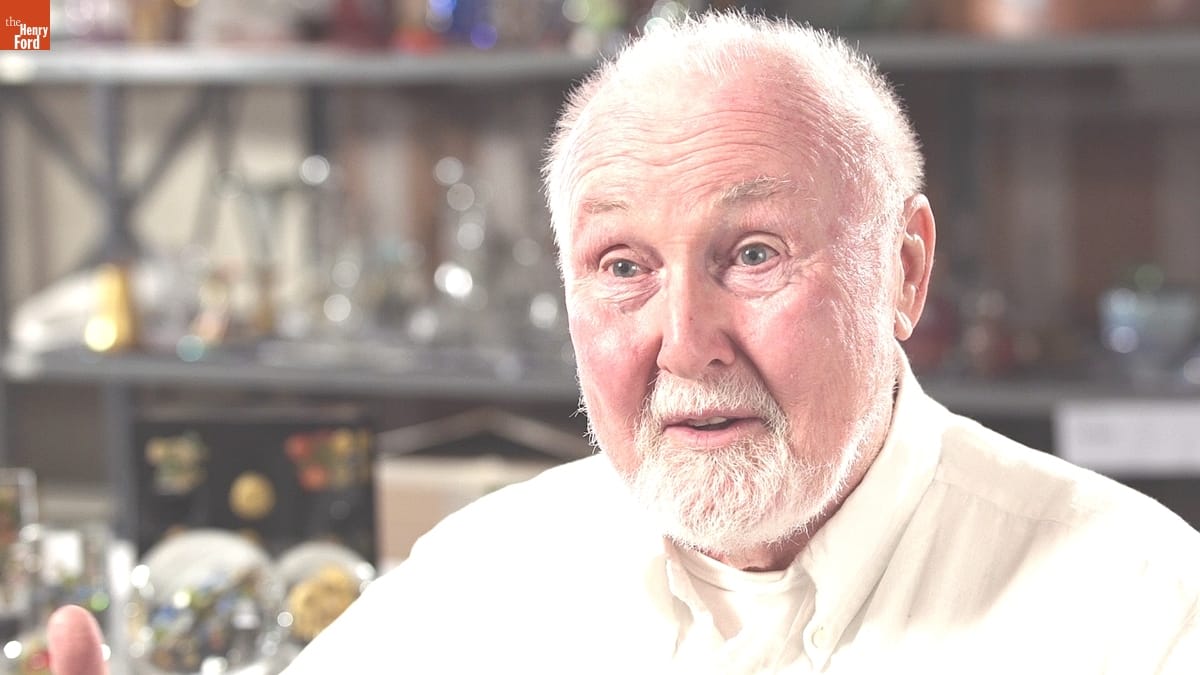
- "Early Memories," Clip from Oral History Interview with Paul Stankard, May 20, 2016 - Paul Stankard is one of the founders of the Studio Glass movement of the 1960s and 70s. Most early Studio Glass artists began their careers creating paperweights and moved on to other forms. Stankard concentrated on creating the most technically sophisticated and beautiful paperweights he could imagine. Stankard is acclaimed for his miniature botanical worlds. Staff from The Henry Ford interviewed the artist in 2016.
- May 20, 2016
- Collections - Artifact
"Early Memories," Clip from Oral History Interview with Paul Stankard, May 20, 2016
Paul Stankard is one of the founders of the Studio Glass movement of the 1960s and 70s. Most early Studio Glass artists began their careers creating paperweights and moved on to other forms. Stankard concentrated on creating the most technically sophisticated and beautiful paperweights he could imagine. Stankard is acclaimed for his miniature botanical worlds. Staff from The Henry Ford interviewed the artist in 2016.
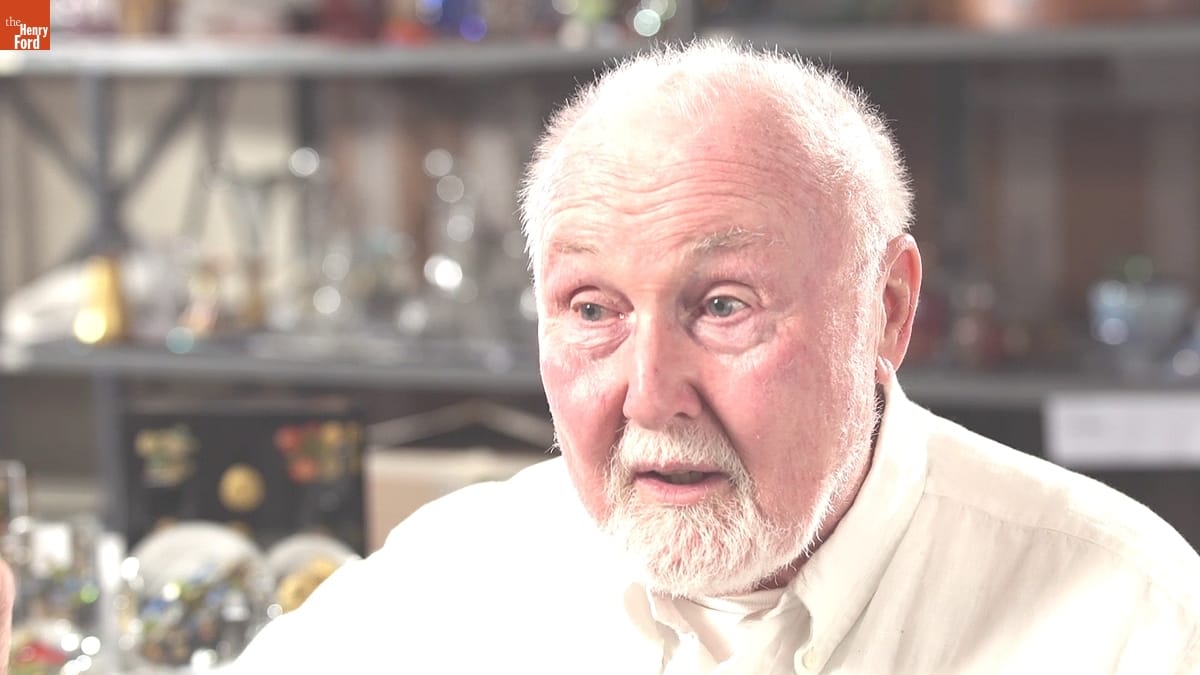
- "Maturing & Coming to Terms with Dyslexia," Clip from Oral History Interview with Paul Stankard, May 20, 2016 - Paul Stankard is one of the founders of the Studio Glass movement of the 1960s and 70s. Most early Studio Glass artists began their careers creating paperweights and moved on to other forms. Stankard concentrated on creating the most technically sophisticated and beautiful paperweights he could imagine. Stankard is acclaimed for his miniature botanical worlds. Staff from The Henry Ford interviewed the artist in 2016.
- May 20, 2016
- Collections - Artifact
"Maturing & Coming to Terms with Dyslexia," Clip from Oral History Interview with Paul Stankard, May 20, 2016
Paul Stankard is one of the founders of the Studio Glass movement of the 1960s and 70s. Most early Studio Glass artists began their careers creating paperweights and moved on to other forms. Stankard concentrated on creating the most technically sophisticated and beautiful paperweights he could imagine. Stankard is acclaimed for his miniature botanical worlds. Staff from The Henry Ford interviewed the artist in 2016.
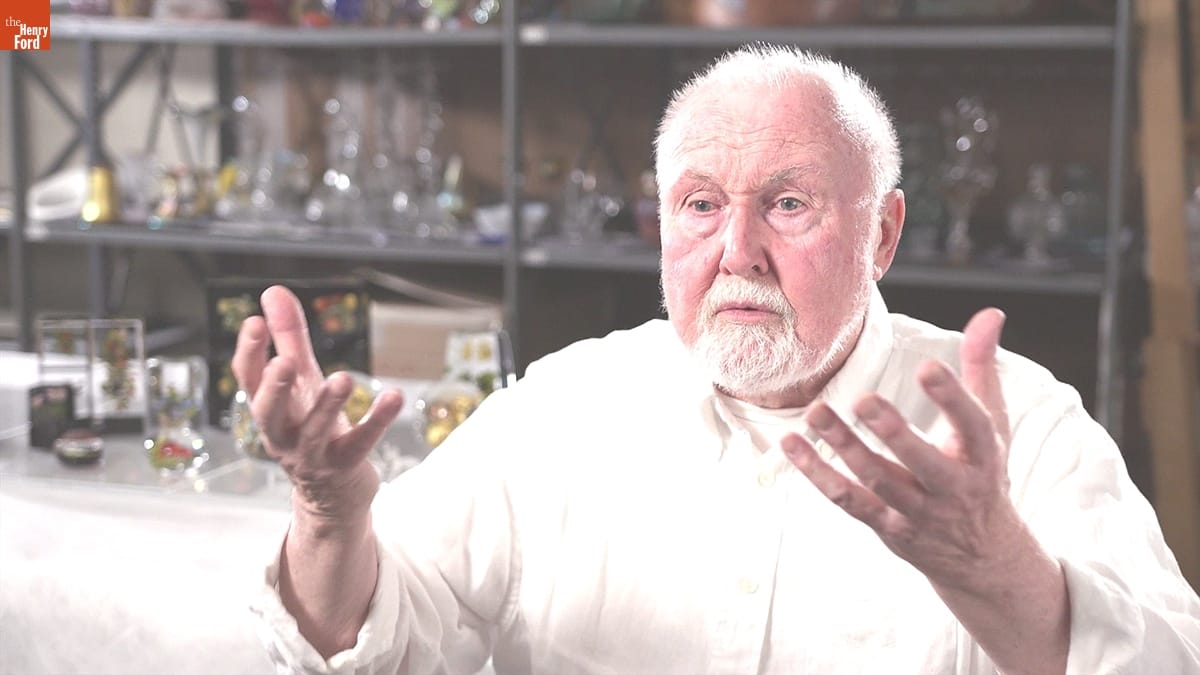
- "Materials & Working with an Assistant," Clip from Oral History Interview with Paul Stankard, May 20, 2016 - Paul Stankard is one of the founders of the Studio Glass movement of the 1960s and 70s. Most early Studio Glass artists began their careers creating paperweights and moved on to other forms. Stankard concentrated on creating the most technically sophisticated and beautiful paperweights he could imagine. Stankard is acclaimed for his miniature botanical worlds. Staff from The Henry Ford interviewed the artist in 2016.
- May 20, 2016
- Collections - Artifact
"Materials & Working with an Assistant," Clip from Oral History Interview with Paul Stankard, May 20, 2016
Paul Stankard is one of the founders of the Studio Glass movement of the 1960s and 70s. Most early Studio Glass artists began their careers creating paperweights and moved on to other forms. Stankard concentrated on creating the most technically sophisticated and beautiful paperweights he could imagine. Stankard is acclaimed for his miniature botanical worlds. Staff from The Henry Ford interviewed the artist in 2016.
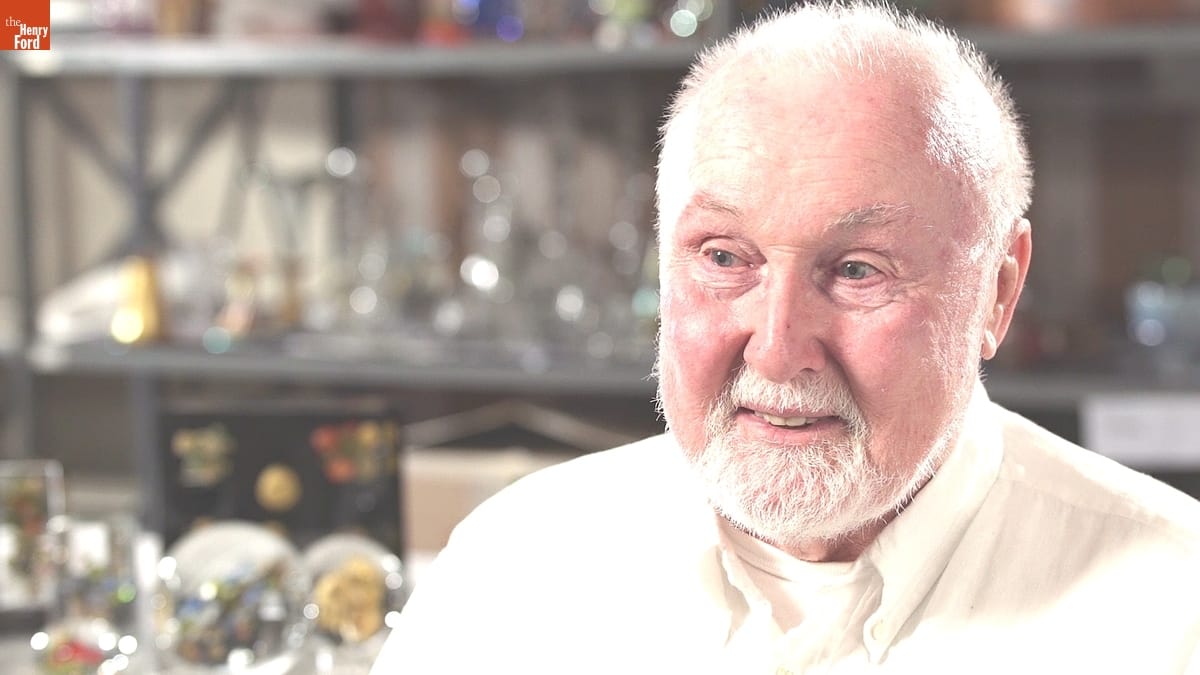
- "Struggles Transitioning to Studio Glass," Clip from Oral History Interview with Paul Stankard, May 20, 2016 - Paul Stankard is one of the founders of the Studio Glass movement of the 1960s and 70s. Most early Studio Glass artists began their careers creating paperweights and moved on to other forms. Stankard concentrated on creating the most technically sophisticated and beautiful paperweights he could imagine. Stankard is acclaimed for his miniature botanical worlds. Staff from The Henry Ford interviewed the artist in 2016.
- May 20, 2016
- Collections - Artifact
"Struggles Transitioning to Studio Glass," Clip from Oral History Interview with Paul Stankard, May 20, 2016
Paul Stankard is one of the founders of the Studio Glass movement of the 1960s and 70s. Most early Studio Glass artists began their careers creating paperweights and moved on to other forms. Stankard concentrated on creating the most technically sophisticated and beautiful paperweights he could imagine. Stankard is acclaimed for his miniature botanical worlds. Staff from The Henry Ford interviewed the artist in 2016.
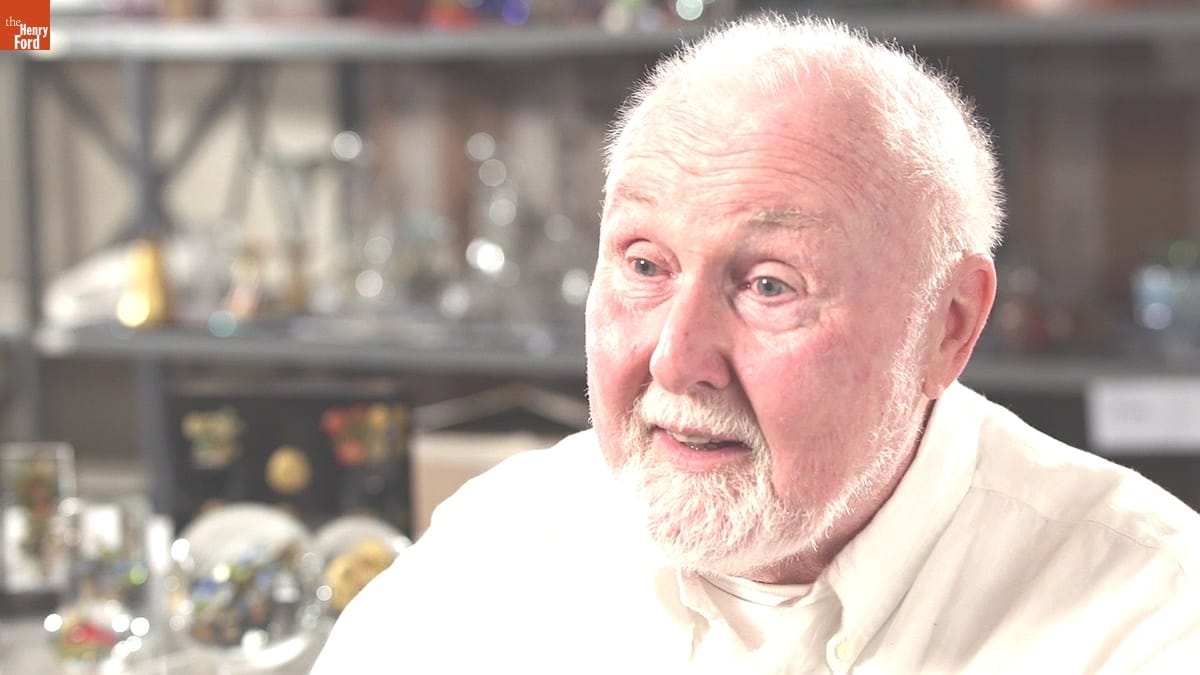
- "Joining the Studio Glass Movement," Clip from Oral History Interview with Paul Stankard, May 20, 2016 - Paul Stankard is one of the founders of the Studio Glass movement of the 1960s and 70s. Most early Studio Glass artists began their careers creating paperweights and moved on to other forms. Stankard concentrated on creating the most technically sophisticated and beautiful paperweights he could imagine. Stankard is acclaimed for his miniature botanical worlds. Staff from The Henry Ford interviewed the artist in 2016.
- May 20, 2016
- Collections - Artifact
"Joining the Studio Glass Movement," Clip from Oral History Interview with Paul Stankard, May 20, 2016
Paul Stankard is one of the founders of the Studio Glass movement of the 1960s and 70s. Most early Studio Glass artists began their careers creating paperweights and moved on to other forms. Stankard concentrated on creating the most technically sophisticated and beautiful paperweights he could imagine. Stankard is acclaimed for his miniature botanical worlds. Staff from The Henry Ford interviewed the artist in 2016.