
Search
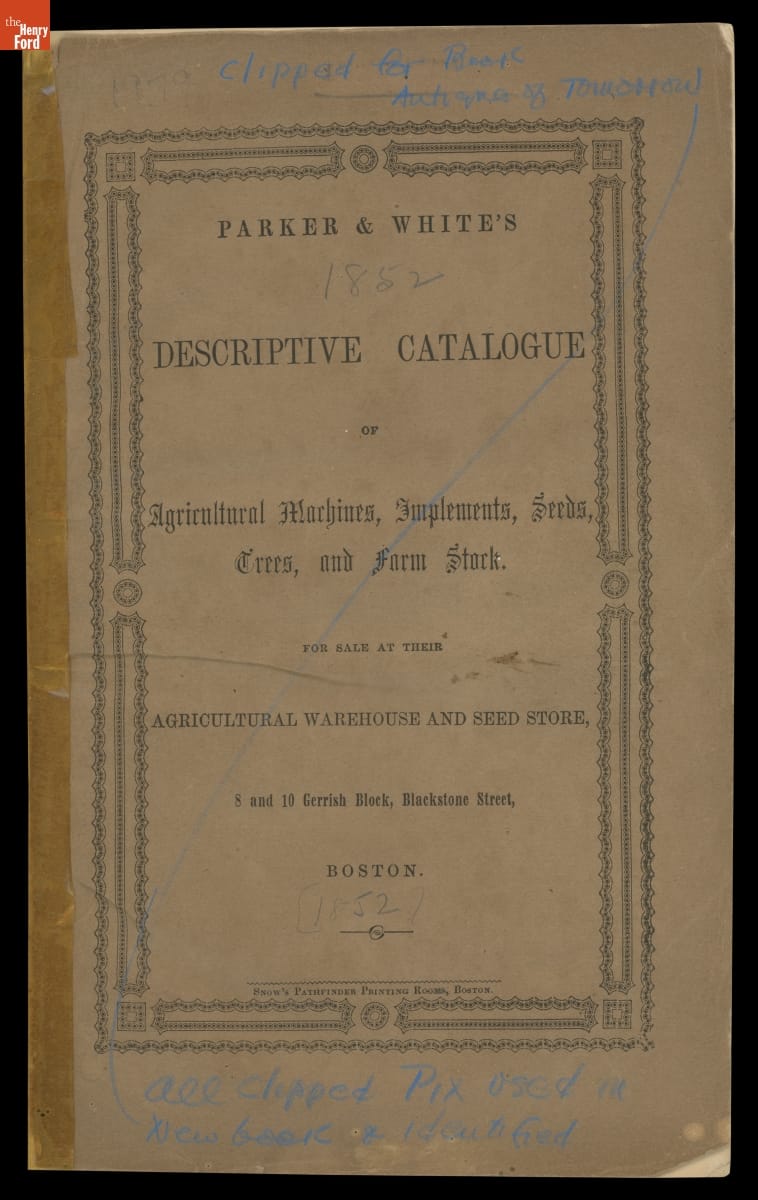
- "Descriptive Catalogue of Agricultural and Horticultural Tools and Implements," 1852 -
- 1852
- Collections - Artifact
"Descriptive Catalogue of Agricultural and Horticultural Tools and Implements," 1852
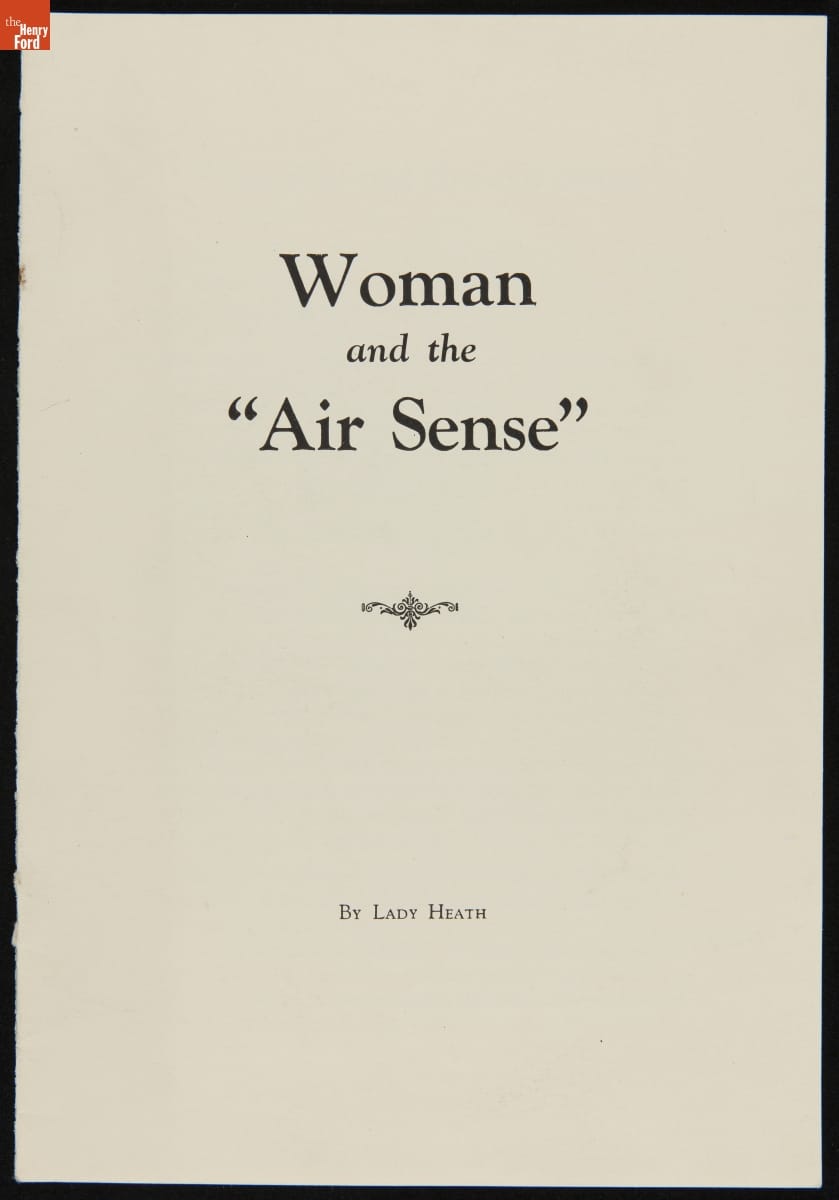
- "Women and the 'Air Sense,'" 1933 - This booklet, written by Irish pilot Mary, Lady Heath, profiles some of the leading women in aviation through 1933. Those featured include Katharine Wright, Harriet Quimby, Katherine Stinson, Ruth Law, Phoebe Fairgrave Omlie, Elinor Smith, Maryse Bastie, and Amelia Earhart, among others. Each of these women made important contributions to flight during the airplane's first three decades.
- 1933
- Collections - Artifact
"Women and the 'Air Sense,'" 1933
This booklet, written by Irish pilot Mary, Lady Heath, profiles some of the leading women in aviation through 1933. Those featured include Katharine Wright, Harriet Quimby, Katherine Stinson, Ruth Law, Phoebe Fairgrave Omlie, Elinor Smith, Maryse Bastie, and Amelia Earhart, among others. Each of these women made important contributions to flight during the airplane's first three decades.
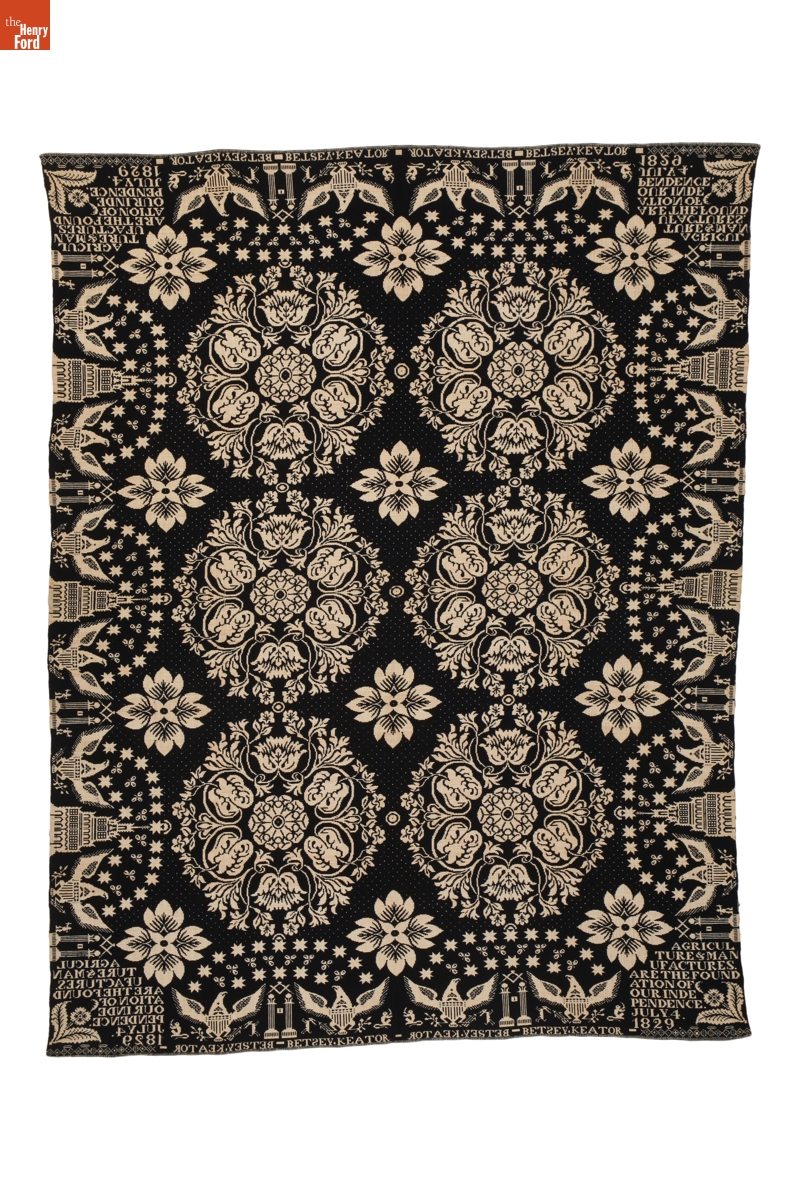
- "Agriculture & Manufactures" Coverlet Woven for Betsey Keator, 1829 -
- July 04, 1829
- Collections - Artifact
"Agriculture & Manufactures" Coverlet Woven for Betsey Keator, 1829
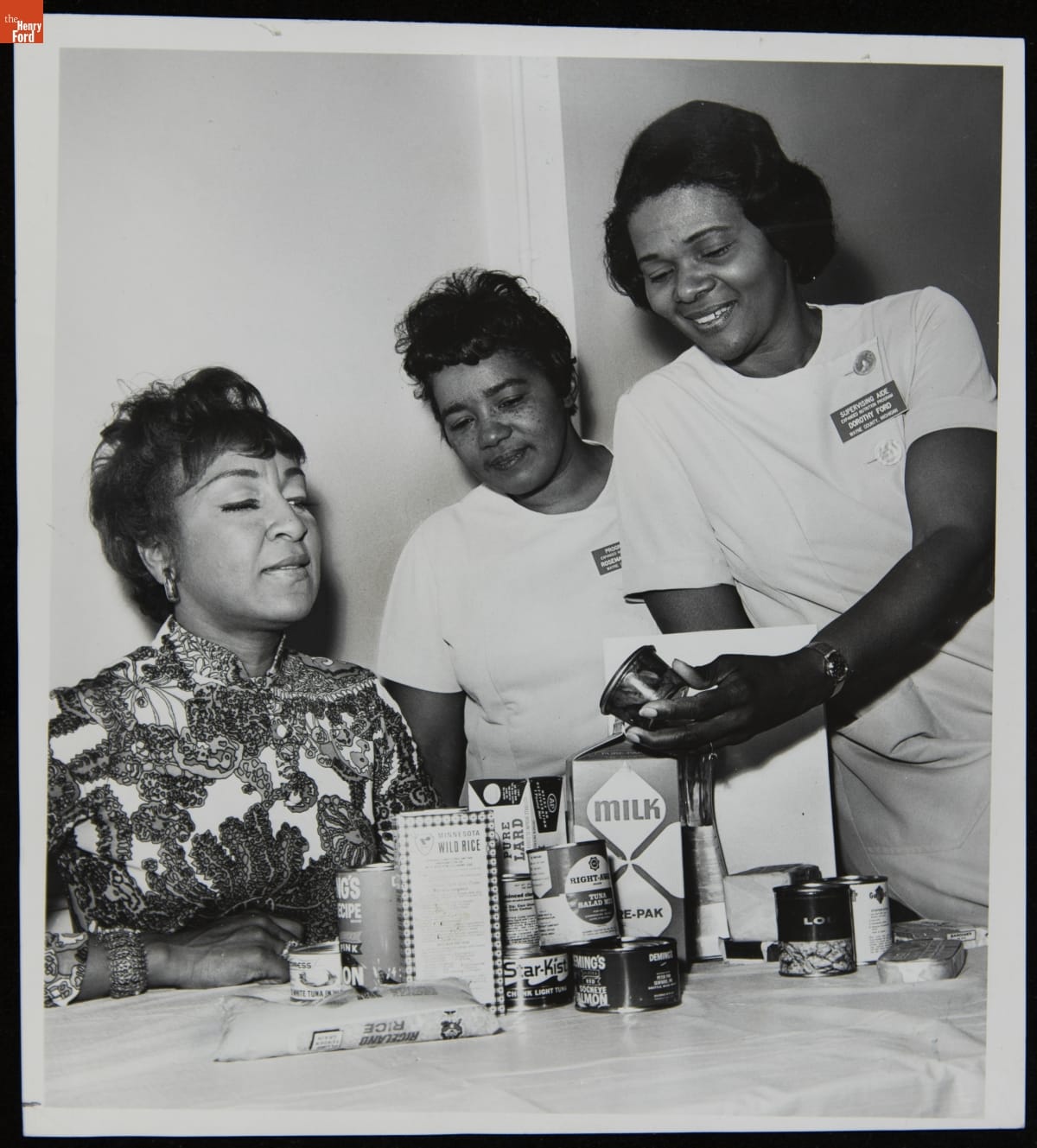
- June Sears, Rosemary Dishman, and Dorothy Ford Discussing Women's Nutrition, May 1970 -
- May 01, 1970
- Collections - Artifact
June Sears, Rosemary Dishman, and Dorothy Ford Discussing Women's Nutrition, May 1970
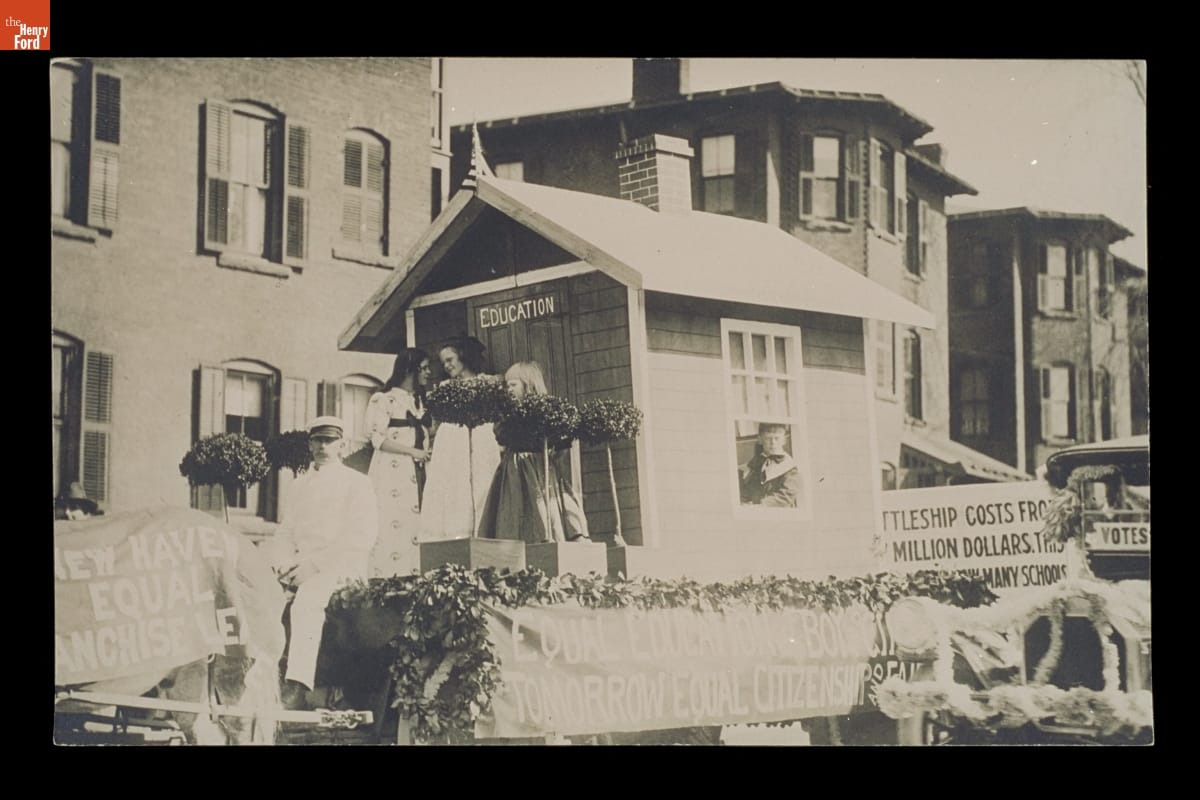
- Parade for Women's Suffrage and Equal Education, New Haven, Connecticut, circa 1915 - In the 1910s, many Americans joined the already decades-long fight for women's suffrage, or equal voting rights. To rally support, suffragists staged parades. These often elaborate processions championed numerous individual causes. This float in New Haven, Connecticut, related "equal education for boys and girls" to "equal citizenship" in the future. A constitutional amendment granting women suffrage was finally ratified in 1920.
- circa 1915
- Collections - Artifact
Parade for Women's Suffrage and Equal Education, New Haven, Connecticut, circa 1915
In the 1910s, many Americans joined the already decades-long fight for women's suffrage, or equal voting rights. To rally support, suffragists staged parades. These often elaborate processions championed numerous individual causes. This float in New Haven, Connecticut, related "equal education for boys and girls" to "equal citizenship" in the future. A constitutional amendment granting women suffrage was finally ratified in 1920.
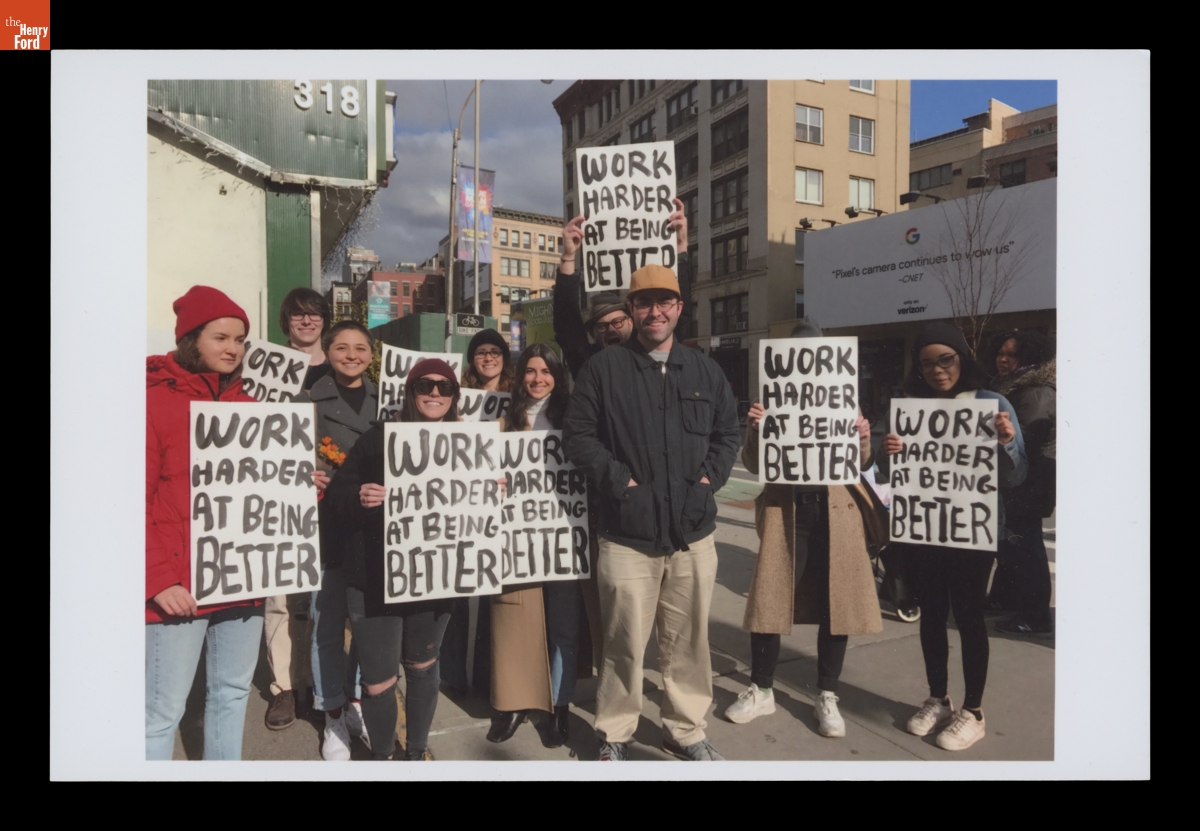
- Jason Polan and Friends at the 2017 Women's March, January 21, 2017 - Jason Polan was a Michigan-born, New York-based illustrator whose visual storytelling sought to elevate the everyday—with humor and care. This collection documents Polan's life and prolific art practice, spanning childhood to adulthood; he was also a convener of creative communities. Inspiration, ideation, and completed projects are represented in preparatory material, printed matter, publications, product design, artwork, and personal collecting.
- January 21, 2017
- Collections - Artifact
Jason Polan and Friends at the 2017 Women's March, January 21, 2017
Jason Polan was a Michigan-born, New York-based illustrator whose visual storytelling sought to elevate the everyday—with humor and care. This collection documents Polan's life and prolific art practice, spanning childhood to adulthood; he was also a convener of creative communities. Inspiration, ideation, and completed projects are represented in preparatory material, printed matter, publications, product design, artwork, and personal collecting.
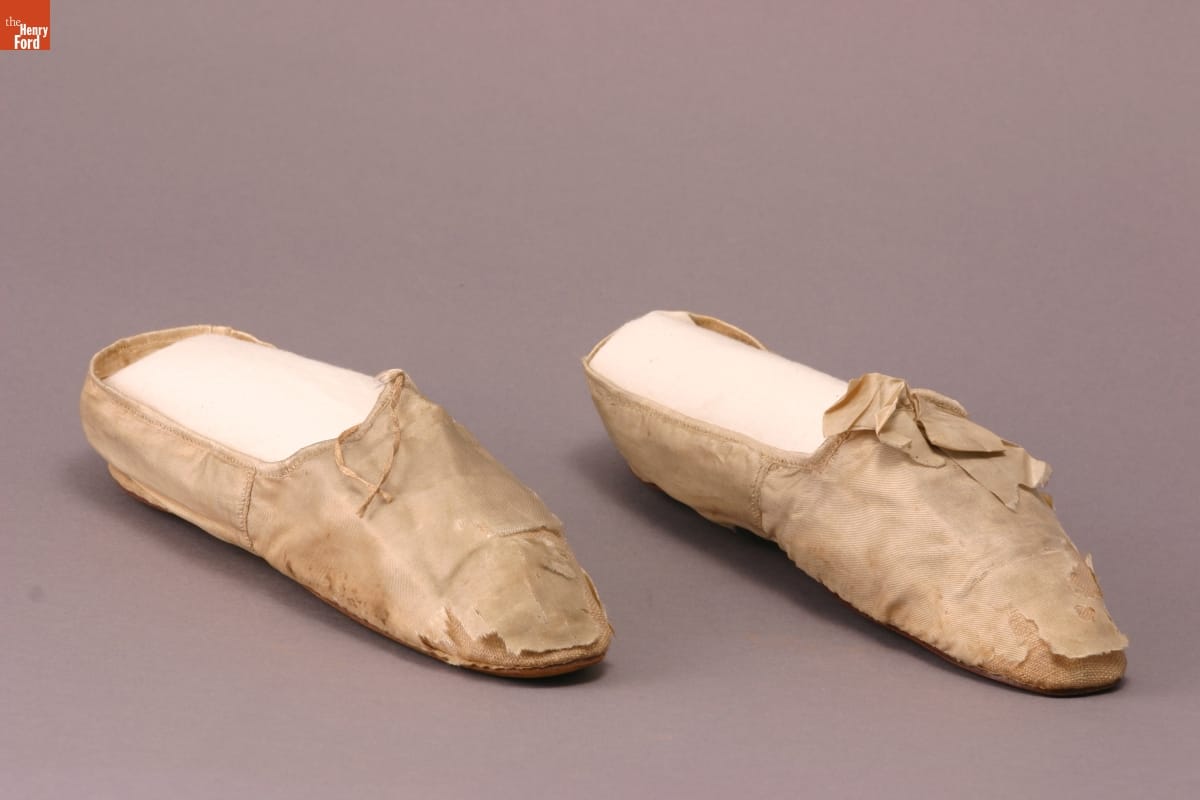
- Women's Slippers, 1815-1830 - Ladies in early-nineteenth-century America wore delicate slippers with their stylish dresses. While fashionable, these types of shoes were notoriously unhealthy: they quickly became damp and soiled, provided no foot support, and were occasionally purchased a size or two too small so that the wearer's foot appeared dainty. These slippers were all about looking great -- not being comfortable.
- 1815-1830
- Collections - Artifact
Women's Slippers, 1815-1830
Ladies in early-nineteenth-century America wore delicate slippers with their stylish dresses. While fashionable, these types of shoes were notoriously unhealthy: they quickly became damp and soiled, provided no foot support, and were occasionally purchased a size or two too small so that the wearer's foot appeared dainty. These slippers were all about looking great -- not being comfortable.
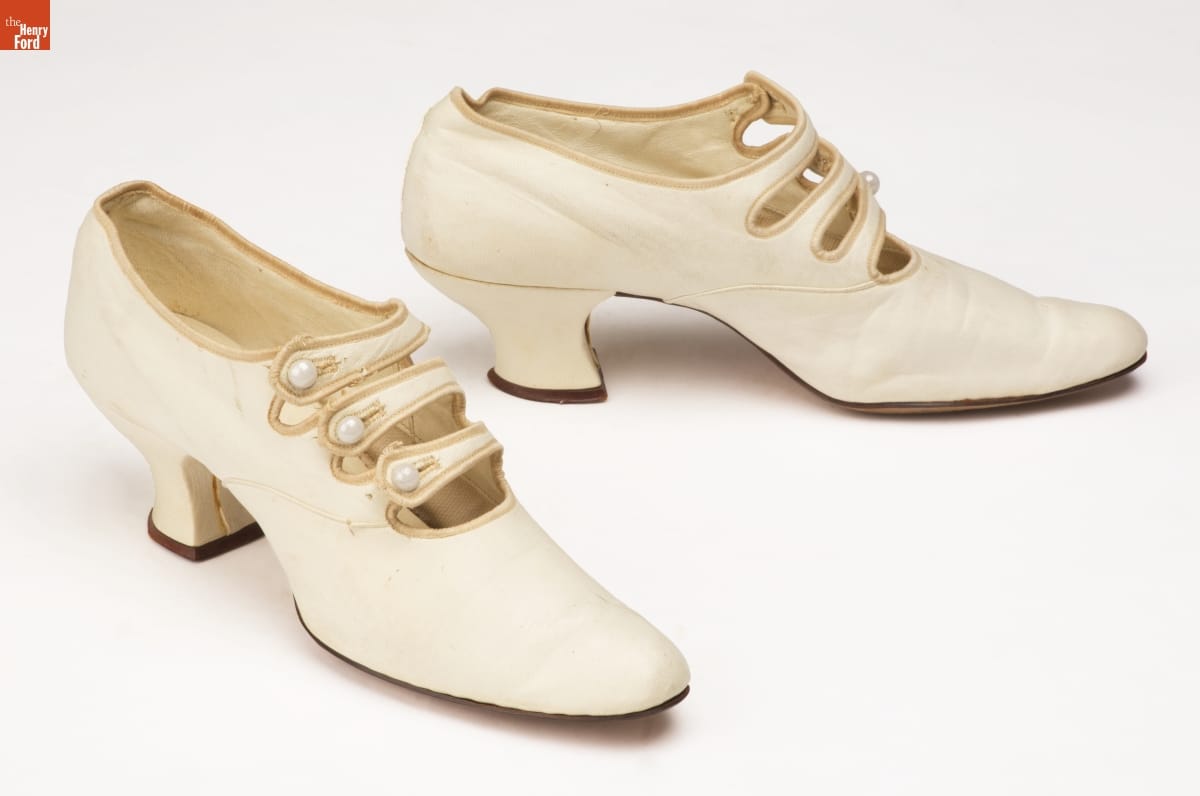
- Women's Shoes, 1914-1916 -
- 1914-1916
- Collections - Artifact
Women's Shoes, 1914-1916
- Women's Slippers, 1870-1890 -
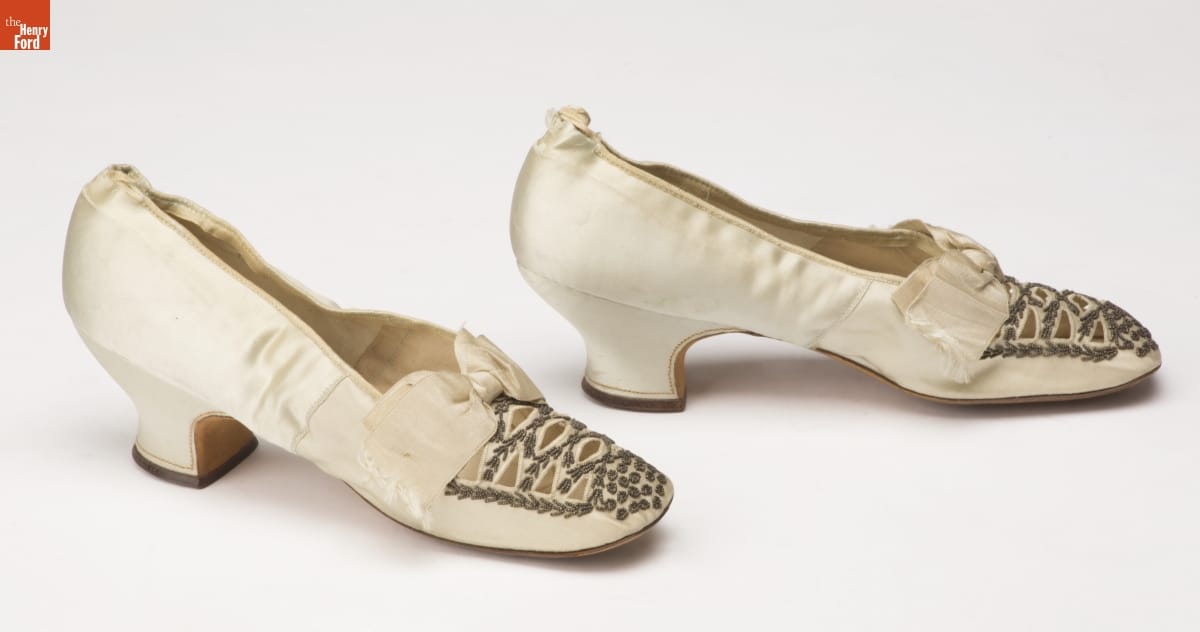
- 1870-1890
- Collections - Artifact
Women's Slippers, 1870-1890
- Women's Playsuit, 1940-1945 -
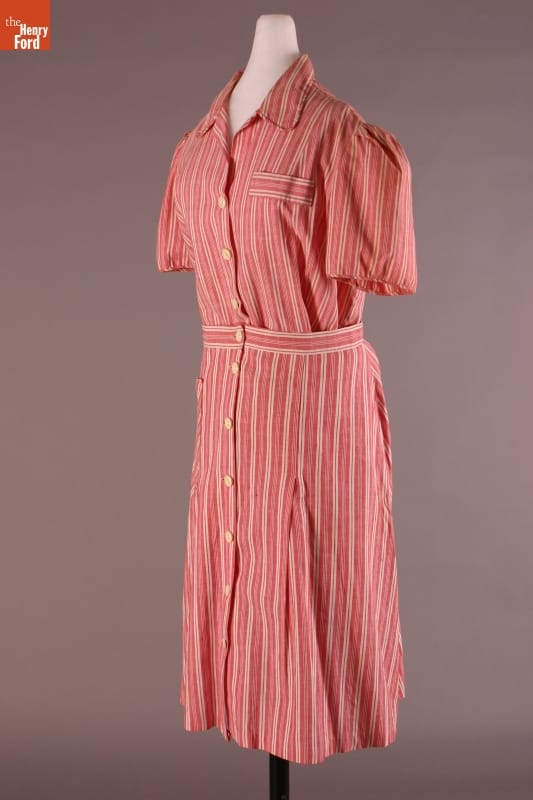
- 1940-1945
- Collections - Artifact
Women's Playsuit, 1940-1945