
Search
- Fisher-Price "School Days Play Desk," 1975 -
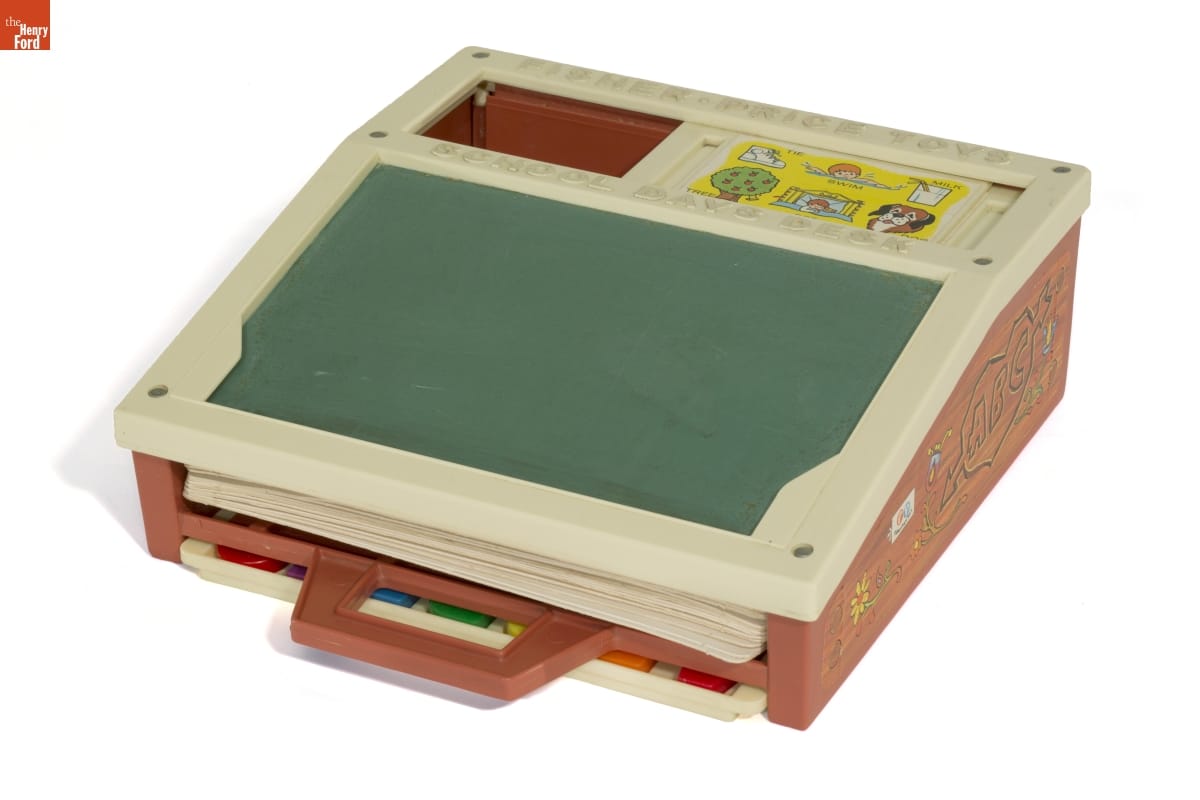
- 1975
- Collections - Artifact
Fisher-Price "School Days Play Desk," 1975
- Design Drawing and Prototypes by Jason Polan for Ghostly International Stencil Kit, circa 2010 - Jason Polan was a Michigan-born, New York-based illustrator whose visual storytelling sought to elevate the everyday—with humor and care. This collection documents Polan's life and prolific art practice, spanning childhood to adulthood; he was also a convener of creative communities. Inspiration, ideation, and completed projects are represented in preparatory material, printed matter, publications, product design, artwork, and personal collecting.
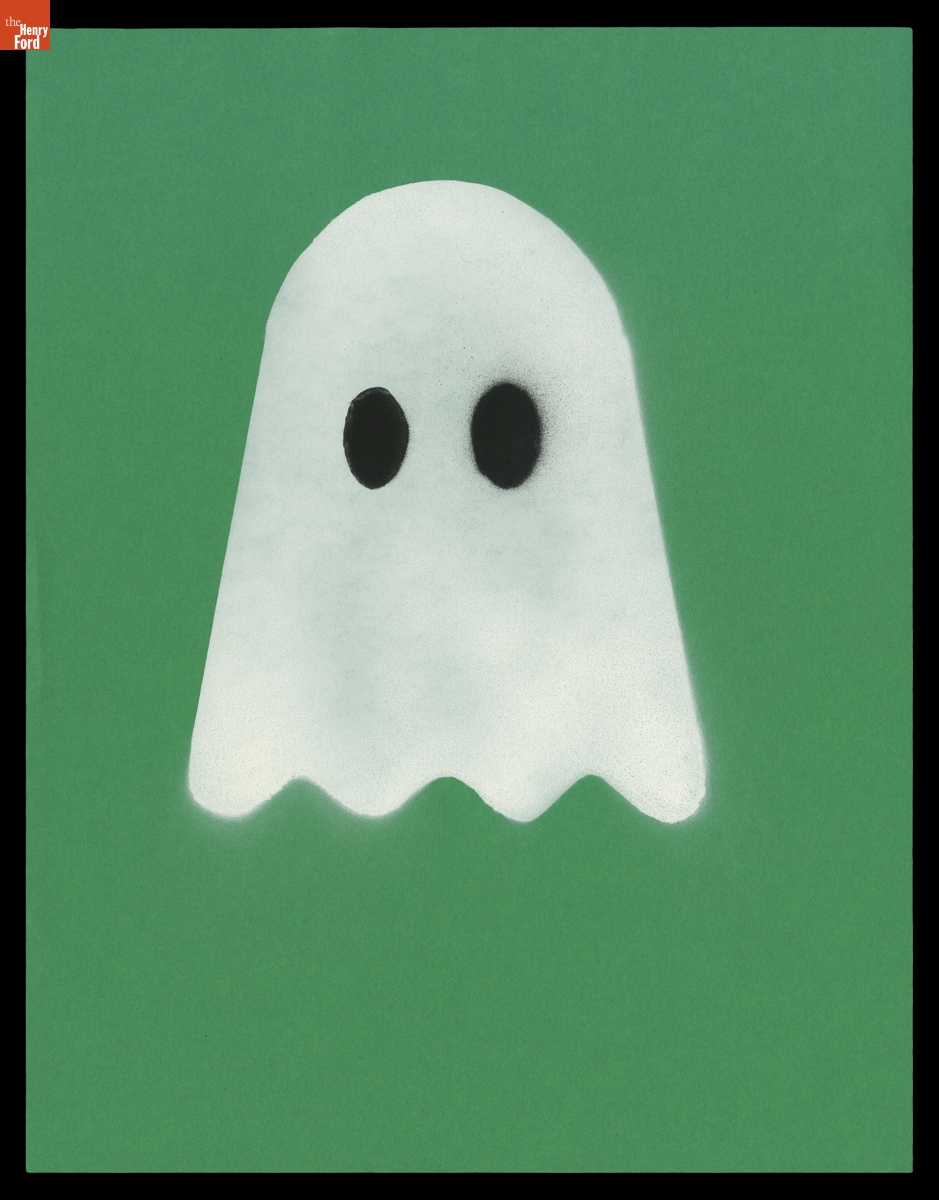
- circa 2010
- Collections - Artifact
Design Drawing and Prototypes by Jason Polan for Ghostly International Stencil Kit, circa 2010
Jason Polan was a Michigan-born, New York-based illustrator whose visual storytelling sought to elevate the everyday—with humor and care. This collection documents Polan's life and prolific art practice, spanning childhood to adulthood; he was also a convener of creative communities. Inspiration, ideation, and completed projects are represented in preparatory material, printed matter, publications, product design, artwork, and personal collecting.
- A.B. Dick Company Mimeograph Stencil Paper, 1892-1912 -
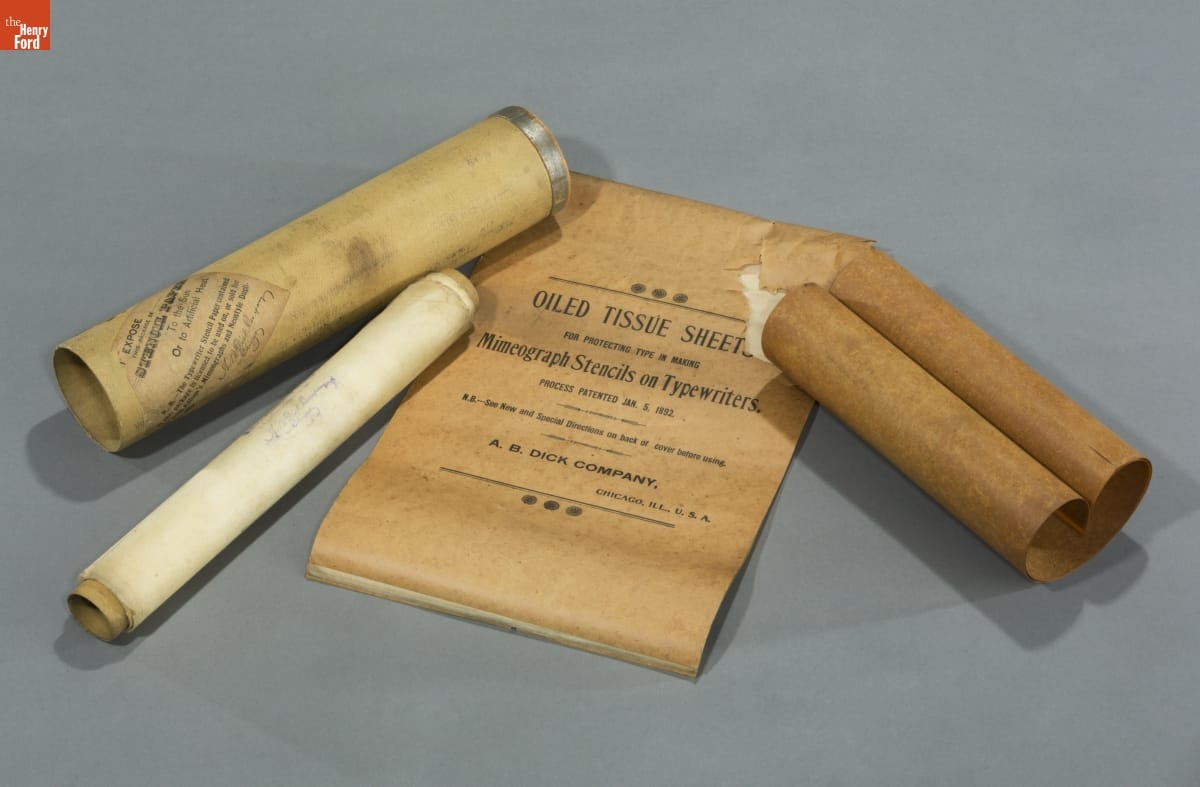
- 1892-1912
- Collections - Artifact
A.B. Dick Company Mimeograph Stencil Paper, 1892-1912
- Stencil of an H. J. Heinz Company Barrel Head, 1905-1910 - The famous "57 Varieties" of the H.J. Heinz Company included several kinds of vinegar. Vinegar was often stored in barrels, and with many different varieties, the barrels had to be properly identified. Stencils, like this one, helped ensure that the vinegars didn't get mixed up.
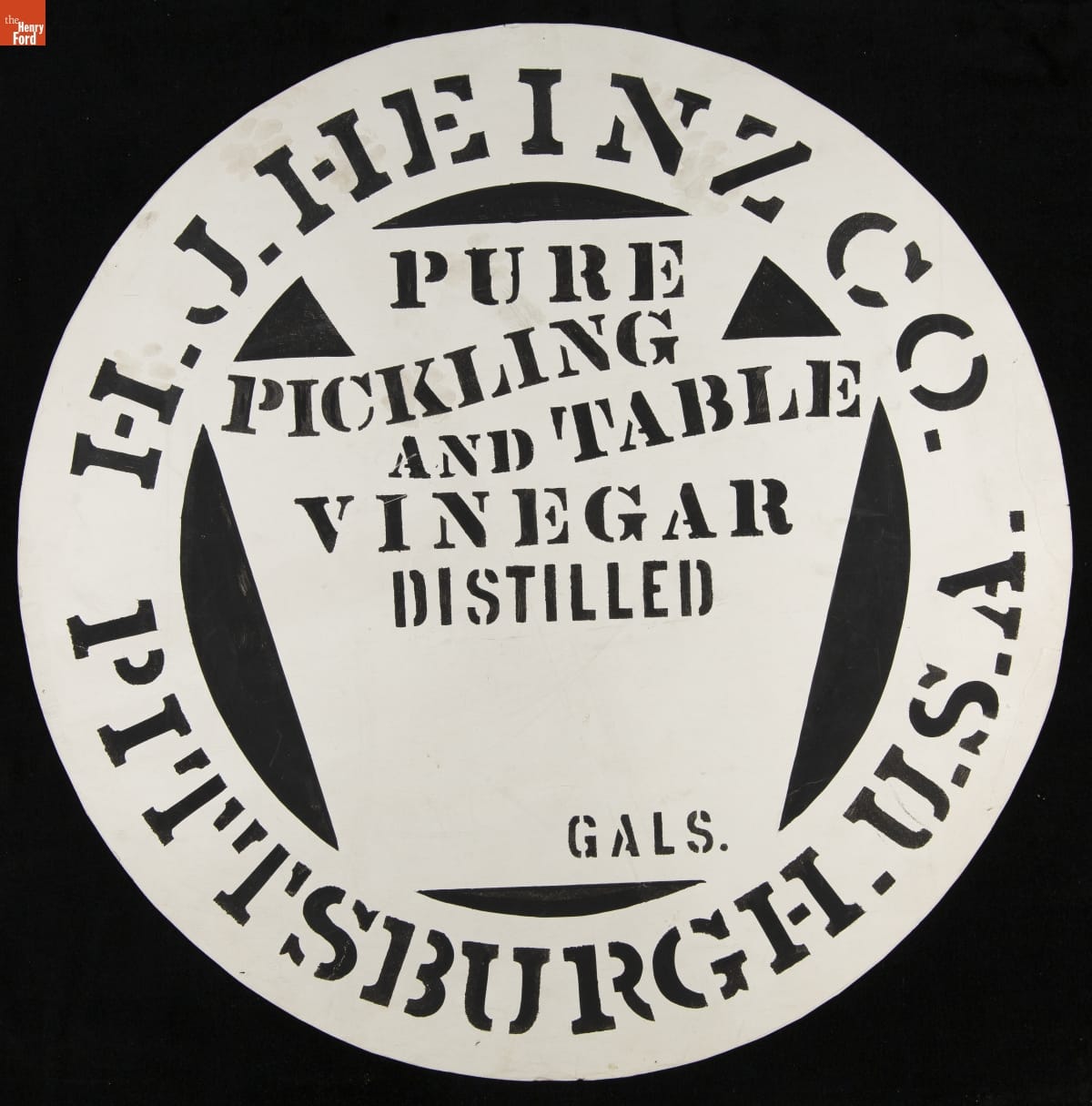
- 1905-1910
- Collections - Artifact
Stencil of an H. J. Heinz Company Barrel Head, 1905-1910
The famous "57 Varieties" of the H.J. Heinz Company included several kinds of vinegar. Vinegar was often stored in barrels, and with many different varieties, the barrels had to be properly identified. Stencils, like this one, helped ensure that the vinegars didn't get mixed up.
- Plastic Tattoo Stencils, 1900-1950 - Tattoo stencils range in material from disposable paper to plastic. Designs were drawn on transfer paper or scratched into plastic with a needle. With plastic stencils, powdered charcoal was rubbed into the lines; Vaseline was applied to the skin. When the stencil was pressed against the skin, the charcoal transferred as an outline. Stencils allowed tattooists to circulate and exchange ideas.
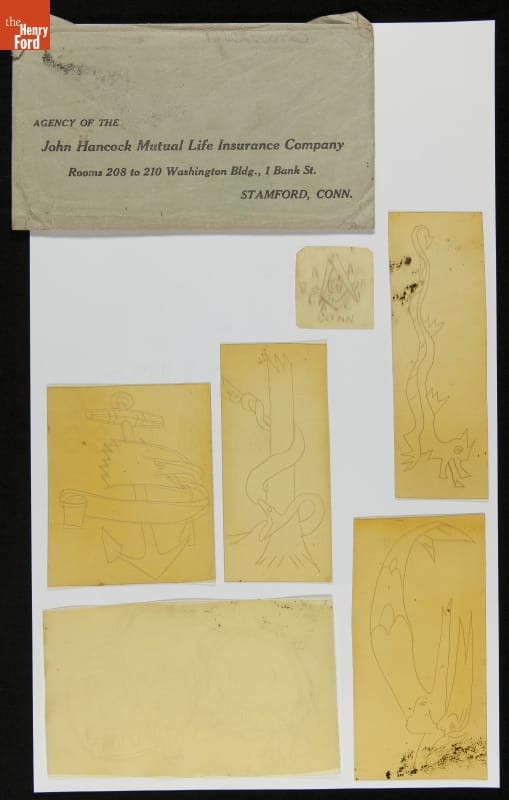
- 1900-1950
- Collections - Artifact
Plastic Tattoo Stencils, 1900-1950
Tattoo stencils range in material from disposable paper to plastic. Designs were drawn on transfer paper or scratched into plastic with a needle. With plastic stencils, powdered charcoal was rubbed into the lines; Vaseline was applied to the skin. When the stencil was pressed against the skin, the charcoal transferred as an outline. Stencils allowed tattooists to circulate and exchange ideas.
- Glass Wax Christmas Window Stencils, 1960-1969 -
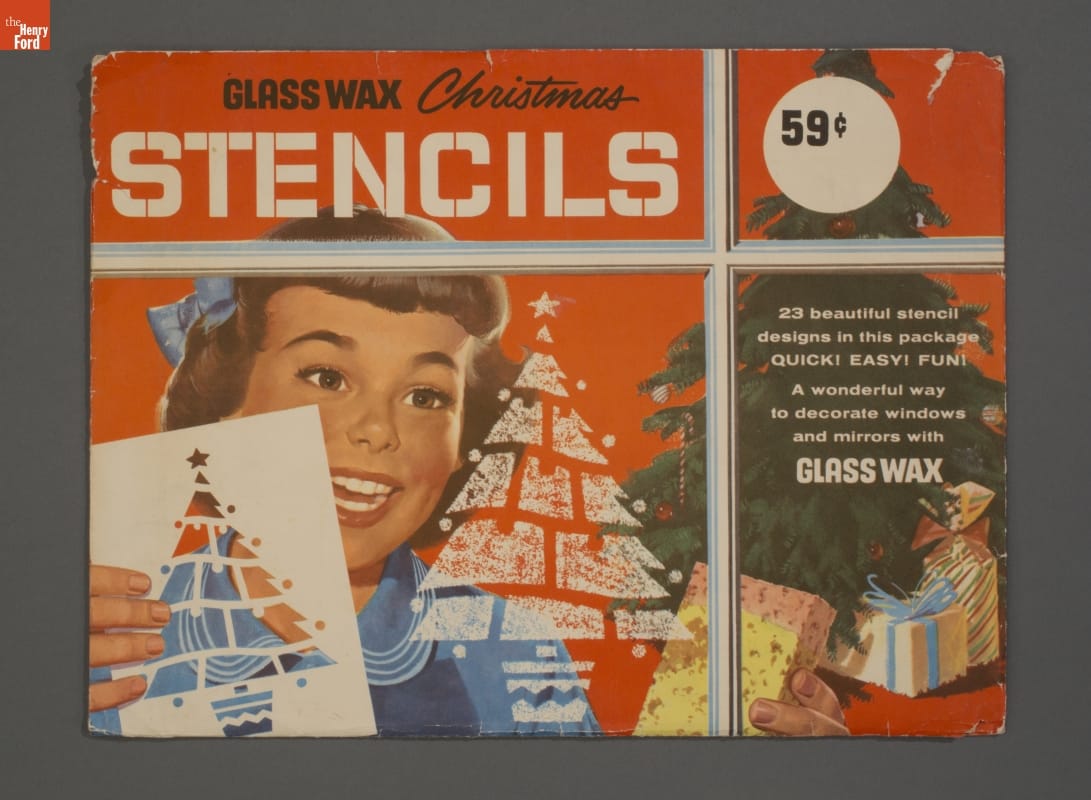
- 1960-1969
- Collections - Artifact
Glass Wax Christmas Window Stencils, 1960-1969
- A.B. Dick Co. Mimeograph Stencil, 1895-1915 -
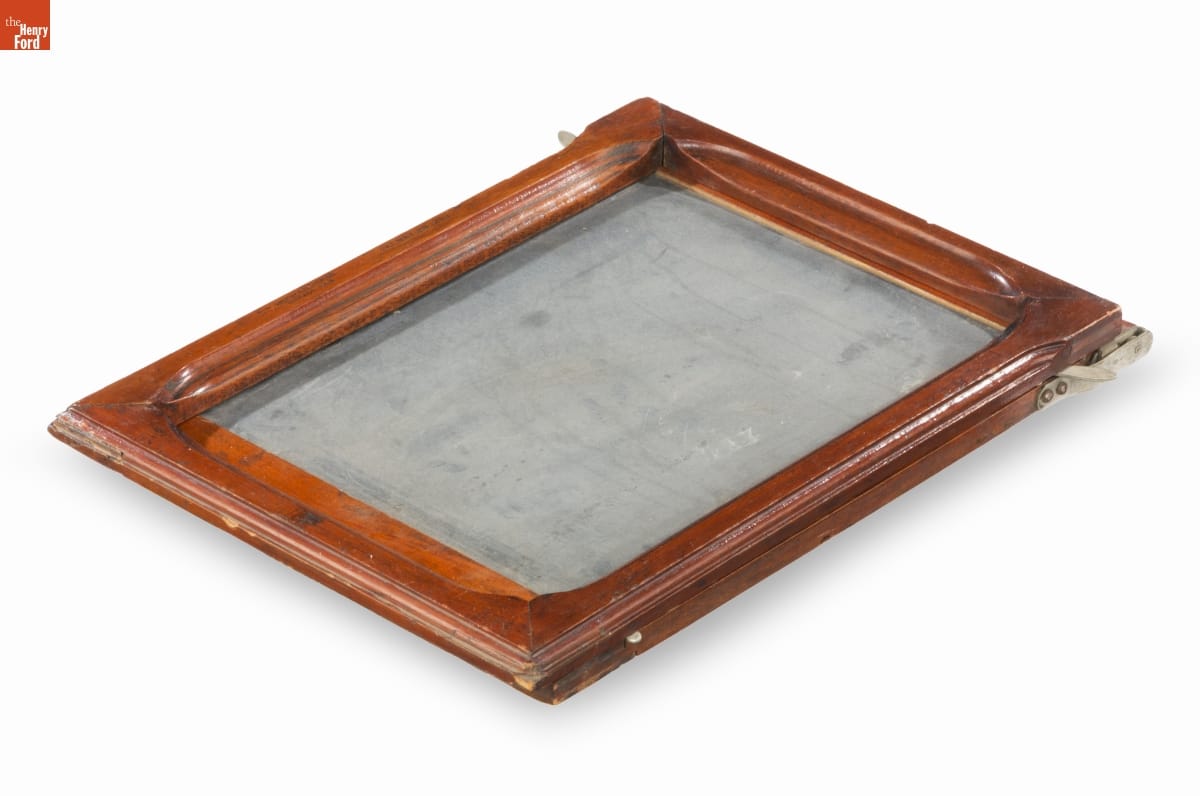
- 1895-1915
- Collections - Artifact
A.B. Dick Co. Mimeograph Stencil, 1895-1915